
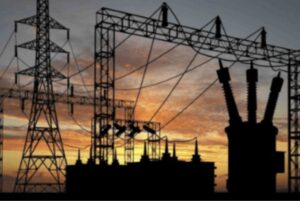
The national electricity grid, a critical infrastructure supporting millions of households and businesses, suffered a total collapse, plunging the nation into darkness, being the first of its kind in 2026,
The collapse occurred around 1 pm In the early hours of January 23 2026 , when power generation dropped to zero megawatts, leaving all 11 electricity distribution companies without power to supply to their customers.
This sudden blackout was not just a technical failure but a stark reminder of the vulnerabilities within the country’s energy infrastructure. Prior to the collapse, the grid had been generating over 4,500 megawatts, but within minutes, this plummeted to a mere 24 megawatts.
The impact was immediate and somewhat ubiquitous, leaving cities across Nigeria enveloped in darkness, disrupting daily life and business operations. The collapse affected all 23 power plants connected to the grid, which lost output simultaneously.
This event underscored the ongoing operational challenges within Nigeria’s electricity sector, which has been plagued by repeated grid failures due to technical faults, inadequate maintenance, and fluctuations in generation capacity.
For many Nigerians, the blackout was a harsh reminder of the country’s energy insecurity. Despite being rich in natural resources, the nation has struggled to provide consistent and reliable electricity to its citizens. The collapse also came barely weeks after a similar failure on December 29, 2025, indicating a pattern of systemic issues that needed urgent attention.
In the aftermath, the government and energy stakeholders faced mounting pressure to address these challenges. There were calls for increased investment in infrastructure, better maintenance practices, and the adoption of more sustainable energy solutions to prevent future occurrences. The incident also sparked discussions on the need for a more resilient and diversified energy mix to reduce reliance on the national grid.
As Nigeria navigates the complexities of its energy landscape, the first grid collapse of 2026 serves as a critical lesson in the importance of robust infrastructure and proactive management. It is a call to action for all stakeholders to work collaboratively towards a more stable and sustainable energy future for the nation.