
A new civic engagement platform, Soft Nigeria, has been officially unveiled in Asaba, Delta State, with stakeholders calling on young Nigerians to adopt constructive advocacy as a tool for national development rather than resorting to destructive agitation.
The initiative, launched on February 26, 2026, is designed to mobilize youth participation in governance through structured engagement and civic education.
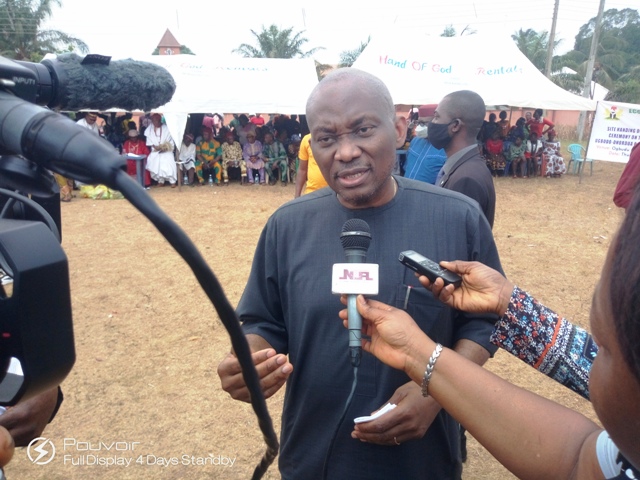
Delivering the keynote address titled “Youth as Partners in Governance: Constructive Advocacy versus Destructive Agitation,” Woyemi Adeyemi emphasized the need to recognize young people as critical stakeholders in governance.
“Youth are not merely beneficiaries of public policy; they are partners whose engagement shapes legitimacy, innovation, and sustainability,” he said, noting that meaningful participation requires political literacy, institutional inclusion and responsible activism.
He distinguished constructive advocacy — which he described as peaceful, organized and evidence-based engagement — from destructive agitation marked by violence, vandalism and institutional disruption, warning that while grievances such as unemployment and inequality are legitimate, destructive methods could undermine democratic stability and economic progress.
Adeyemi referenced global governance frameworks supported by bodies such as the United Nations and the African Union Commission, which promote inclusive policymaking models that incorporate youth perspectives.
Also speaking, Mr. Uche Mgbakor described Nigeria as being at a defining moment and urged young citizens to support ongoing reforms under President Bola Ahmed Tinubu, noting that Soft Nigeria is not a political party structure but a civic bridge designed to simplify government policies and promote informed participation.
In her welcome remarks, the Senior Special Assistant to the Delta State Governor on Media, Oputa Ebipade Okoh-Vida, said the initiative would operate both digitally and at the grassroots to ensure that government policies are communicated in accessible formats.
Organizers disclosed that the platform would partner with student bodies, youth associations, faith-based groups and community leaders nationwide, while rolling out town hall meetings, campus engagements and community dialogues across the 36 states to explain reforms in areas such as job creation, education and economic opportunities.
The Asaba launch signals what promoters describe as a coordinated effort to channel youth energy into structured democratic participation and policy dialogue, aligning civic engagement with national development goals.