UI Needs Independent Endowment Fund, Says Oyero
….Alumni Chairman seeks investment in property, stocks; urges unity with university management
By Enitan Abel Johngold Orheruata
The University of Ibadan (UI) has been challenged to establish an independent endowment fund and invest in properties, stocks and other income-generating assets as part of a fresh strategy to secure the institution’s financial future.
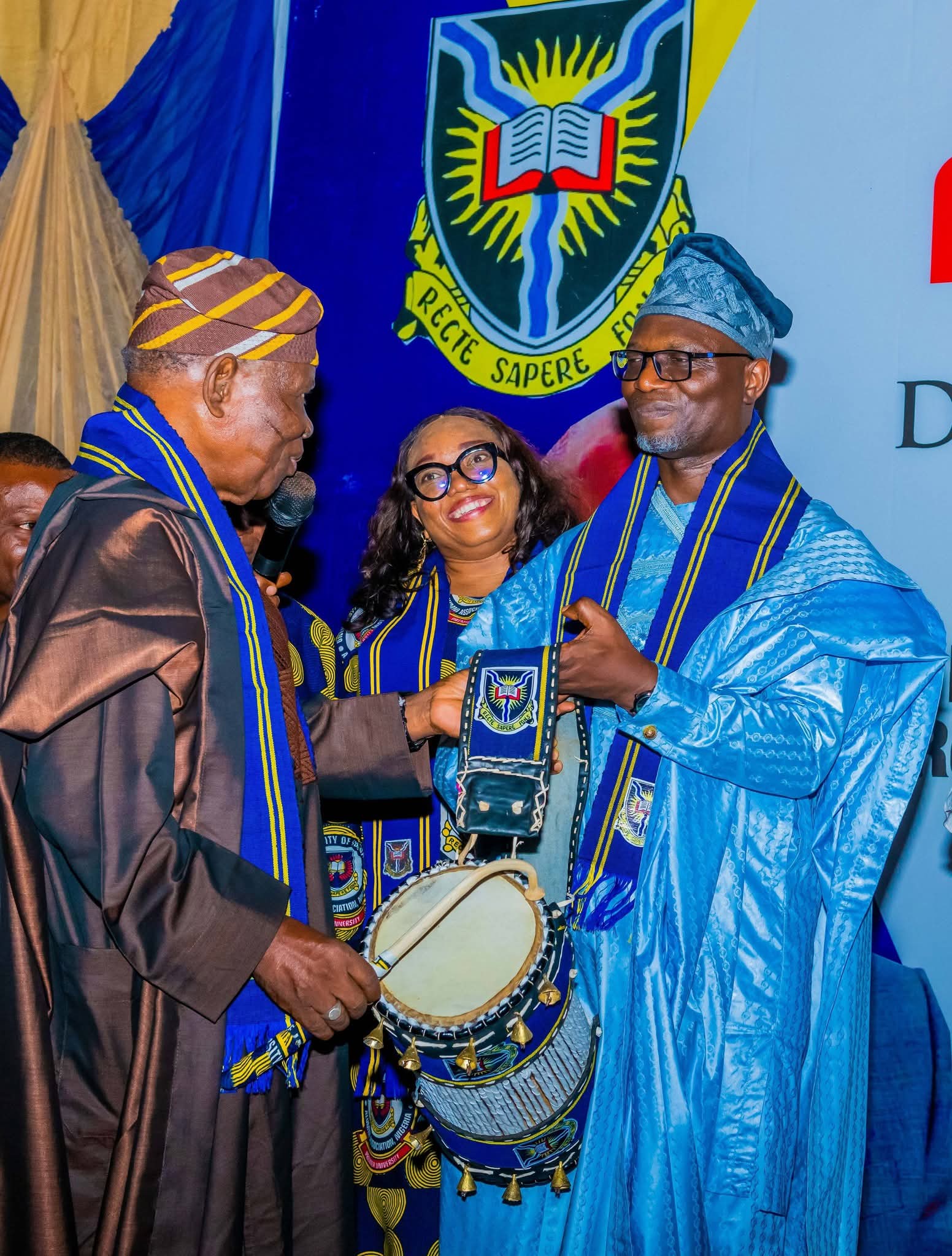
The Chairman of the 2026 University of Ibadan Alumni Association Annual Public Service Lecture, Chief Bayo Oyero, made the call in Ibadan while speaking at the event organised by the alumni association.
Oyero, a former President of the Central Council of Ibadan Indigenes (CCII) and an alumnus of the university, said UI could no longer afford to rely principally on government funding and periodic interventions to meet its long-term development needs.
He proposed the creation of an endowment fund separate from the existing Alumni Endowment Fund, arguing that the university needed a permanent pool of capital that could be professionally invested and generate sustainable returns.
According to him, the fund could be invested in properties and other viable assets, with the returns deployed to support the university’s development.
Oyero also urged stakeholders to take the message of capital formation to young Nigerians, encouraging them to begin investing early in shares, stocks and other legitimate financial instruments.
He said such a culture would help young people become owners of the wealth they help create, rather than remaining passive participants in the economy.
The Chairman further called for greater unity between the University of Ibadan management and the Alumni Association, stressing that the alumni body had made significant contributions to the development of the institution.
He said stronger collaboration between the two sides would create greater opportunities for mobilising resources and implementing sustainable development projects for the university.
The call came against the backdrop of a strong warning from the Director-General of the Securities and Exchange Commission (SEC), Dr. Emomotimi John Agama, that Nigerian institutions must begin to think differently about how they finance their future.
Agama, who delivered the keynote lecture titled “First and Best — But Whose Capital Built It? Rethinking How Nigeria Funds Its Own Future,” said Nigeria was not necessarily suffering from a shortage of capital, but from a failure to channel available capital into productive, long-term investments.
He challenged the University of Ibadan and its alumni to move from a culture of consumption and one-off donations to deliberate capital formation.
The SEC boss argued that the university could explore a range of capital-market instruments, including professionally managed endowments, bonds and sukuk, student accommodation investment vehicles, research and innovation funds, and diaspora investment structures.
He also proposed the creation of a University of Ibadan Alumni Capital Fund, professionally managed with an independent trustee and licensed fund manager.
Agama said the objective should be to build a fund whose capital would remain invested while a defined portion of its returns could be used to support the university.
He said the difference between merely giving money to the university and capitalising a fund was that “a gift is consumed. Capital compounds.”
The SEC Director-General also challenged alumni to ask themselves what they had actually capitalised during their lifetime.
He said alumni who contributed to individual projects were doing valuable work, but argued that a permanent investment fund could finance successive generations of projects without requiring each generation to start from scratch.
Agama said the University of Ibadan had a unique opportunity to demonstrate that a Nigerian public institution could attract long-term domestic and diaspora capital by meeting the standards of transparency, accountability, good governance and professional financial management required by the capital market.
Earlier, the Acting President of the University of Ibadan Alumni Association, Prof. Terrumun Hembaor Gajir, said the theme of the lecture was a timely response to one of Nigeria’s most pressing development questions: how to mobilise the capital required to transform the country’s enormous potential into sustainable prosperity.
Gajir said the issue of financing Nigeria’s future should not be left to economists, bankers, investors or regulators alone, but should concern every Nigerian.
He asked how the country could mobilise pension funds, household savings, institutional investments and private capital for productive development while reducing excessive dependence on external funding.
The Acting President said the University of Ibadan had a particular responsibility to lead the conversation because of its history as a citadel of scholarship, leadership and public service.
He urged participants at the lecture to go beyond intellectual discussion and consider practical steps towards building institutions that could mobilise capital, generate wealth and create opportunities for future generations.
The event, which brought together alumni, academics, government officials, financial-sector stakeholders and members of the private sector, focused attention on the need for Nigerian institutions to move from dependence to capital formation and long-term investment.
The central question emerging from the lecture was whether Nigeria, and institutions such as the University of Ibadan, would continue to consume available resources or begin deliberately building financial assets that could outlive the present generation.
The lecture’s central argument was that the country has significant pools of capital but needs more credible, transparent and investable institutions capable of attracting and deploying long-term funds.