
By ENITAN ABEL JOHNGOLD ORHERUATA, mnipr
The Association of Community-Based Organizations for Malaria, Immunization and Nutrition (ACOMIN) has called on governments, development partners, healthcare providers, communities and the media to intensify efforts toward addressing persistent gaps in HIV/AIDS, Tuberculosis (TB) and Malaria healthcare services across Delta State and Nigeria.
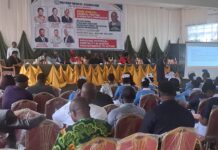
The call was made during a media briefing on the Global Fund-supported Community-Led Monitoring (CLM) Project being implemented by ACOMIN in Delta State.
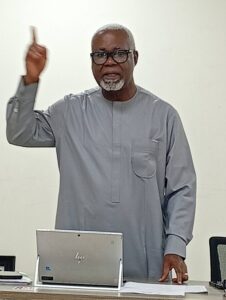
Speaking at the event, Delta State Programme Officer of ACOMIN, Mr. Austin Uwede, said that despite progress recorded in the fight against HIV/AIDS, TB and Malaria, many communities still face barriers to accessing quality healthcare services.
According to him, findings from the CLM intervention revealed challenges including weak referral systems, treatment interruptions, shortages of healthcare workers, inadequate medical equipment, limited screening opportunities and rising transportation costs.
He noted that these challenges often result in delayed diagnosis, poor treatment adherence and poor health outcomes, particularly among vulnerable populations.
Uwede, however, highlighted the positive impact of the Global Fund-supported CLM intervention, saying it has strengthened accountability, improved referral pathways and encouraged community participation in healthcare delivery.
He added that communities have supported health facilities through the provision of boreholes, hospital beds, medical consumables and other resources, while also contributing volunteers and support staff to improve service delivery.
Calling for urgent action, he urged governments at all levels, development partners, the private sector and other stakeholders to strengthen referral systems, ensure uninterrupted access to medicines and diagnostics, invest in healthcare workforce development and reduce financial barriers to healthcare.
Earlier, Delta State Chairman of ACOMIN, Pastor Greg Sifor, urged Programme Officers across the state’s 25 local government areas to remain committed to their responsibilities and avoid submitting false reports, warning that technology can easily verify field activities.
He also encouraged members to see their work as service to humanity and remain dedicated to improving healthcare delivery in their communities.
Also speaking, the State Programme Officer of the Society for Family Health (SFH), Mrs. Mercy Momoh, appealed to government authorities to strengthen monitoring of healthcare facilities, protect public health infrastructure and ensure adequate supply of essential medicines.
She also urged the media to continue amplifying health messages and advocacy efforts aimed at improving healthcare outcomes.
Contributing, Programme Officer for Isoko South Local Government Area, Mr. Lawrence Etadafevwerha, disclosed that a healthcare facility in Olomoro had to abandon a contaminated borehole until a philanthropist provided a replacement.
Similarly, Clara Isoken Ogieva of the Community Empowerment and Development Initiative (CEDI), Ethiope East, appealed to the government to upgrade healthcare facilities in the area, citing inadequate infrastructure, manpower shortages and lack of essential medical equipment.
The stakeholders agreed that stronger partnerships, community engagement and increased investment in healthcare are critical to eliminating HIV/AIDS, TB and Malaria as public health threats in Nigeria.